
By Isabel Prystawik – Motionally Counselling and Facilitation
Somatic Counselling in Vernon, British Columbia | Okanagan Valley

A reflection for people who carry a lot
There’s a kind of pressure that’s easy to miss because it looks so normal. It lives in the expectation to keep showing up—at work, in our families, in our communities. To stay engaged. To keep contributing. To remain visible. And, increasingly, to keep sharing.
A little while ago, I noticed something in myself. It wasn’t burnout in the way we usually talk about it, and it wasn’t a clear sense of overwhelm. It felt more like I had drifted slightly out of alignment with myself. On the surface, everything was functioning. I was doing the things that look like care—supporting others, staying connected, keeping things moving. But underneath that, something in me was asking for a different kind of attention.
Not more effort or consistency. Not more presence outwardly. What was needed was a quieter, more inward kind of presence.
So I let myself step back, without needing to explain or justify it.
It’s true that I stopped posting on social media for a while. But I stepped back in other ways too. I let my house be a little less tidy than I think it should be. I picked up a pizza. I loosened my grip in places where I usually hold things together.
And I stepped toward a few things as well. I returned to a hobby I love. I called a friend instead of heading out for a workout. Nothing dramatic—just small choices that felt more in line with what I actually needed.
If you’re a sport parent—or someone who carries a lot—you might recognize how easy it is to lose yourself in the constancy of what’s required. There are so many places where your presence matters: in your family, with friends, in caregiving roles, at work. Life can become a continuous loop of organizing, responding, supporting, and anticipating what’s needed next. And often, the first things to fall away are the ones no one else can see—your own pace, your own signals, your own need for space or rest.
What I found, in stepping back, was that nothing essential fell apart. The world continued on. Life carried forward. But something in me became more available.
I could notice myself again. Not in a dramatic or insight-heavy way, but in small, steady moments. I could feel when something was enough, when something was too much, when there was no need to rush. That kind of noticing is easy to overlook, but it changes the quality of how we move through our lives.
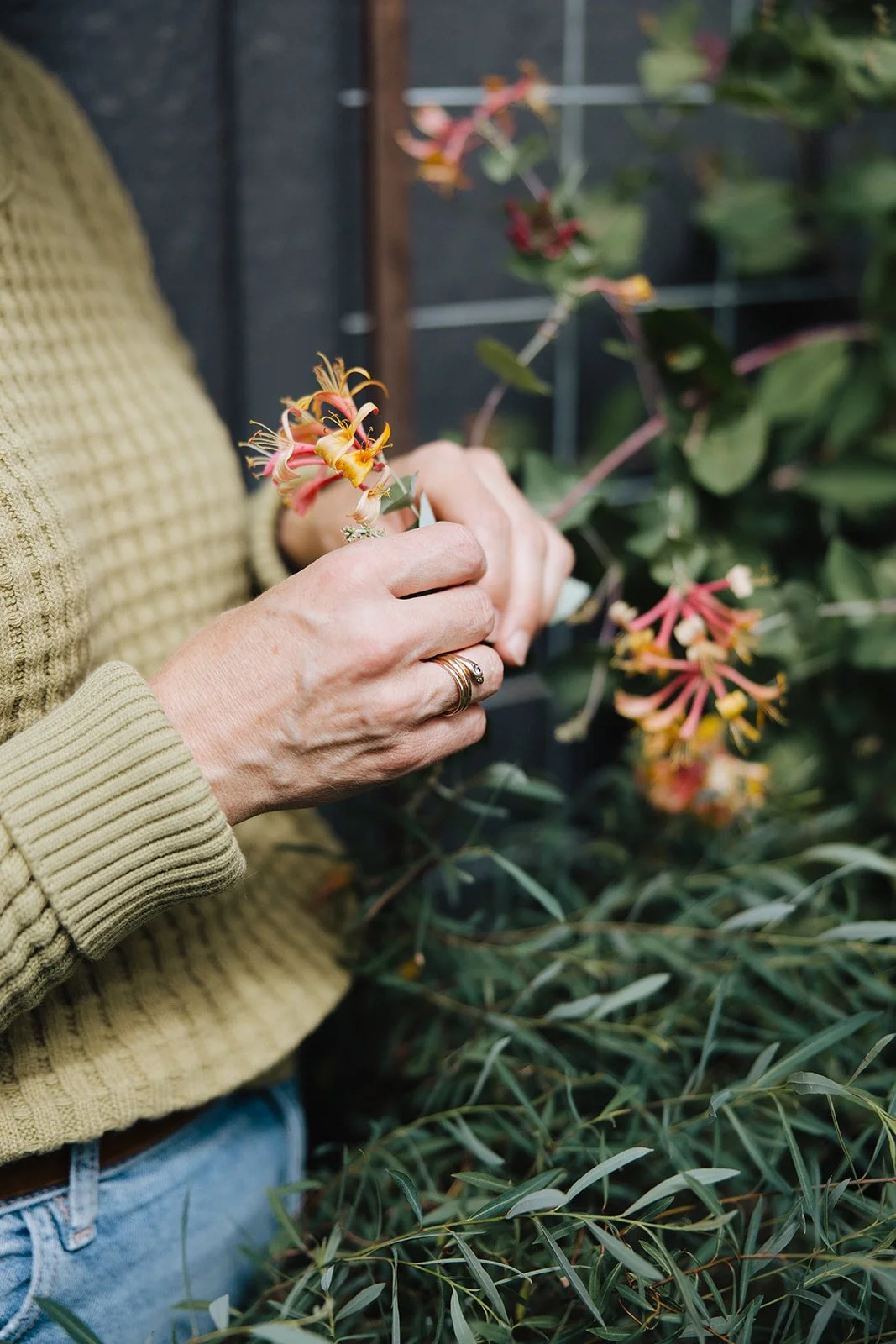
A different kind of care
It’s a form of care we don’t talk about very often.
We don’t talk very often about this kind of self-care—the kind that doesn’t involve bubble baths, buying something new, or shaving our legs.
The effects don’t always show up in ways that are easy to point to or measure, or signal success in the ways we’re used to recognizing.
But even small shifts ripple outward—within ourselves, in our parenting, and in the communities we’re part of.
The people I work with are capable, engaged, and feel a deep sense of care and dedication toward others. They have built lives that, from the outside, look more than fine. And still, something can feel off on the inside. Not wrong, exactly—more like a stylish shoe that doesn’t quite fit.
Sometimes the most meaningful shift isn’t adding something new, but allowing enough space to notice what’s already there. To recognize where you’ve been overriding your own signals, and to reconnect with a steadier, more grounded sense of yourself.
I’ve returned to posting now, but from a different place. Not because I feel I should, or because it’s necessary to keep up, but because it feels like a natural extension of that same care. A way of staying connected without leaving myself behind.
If this resonates, there may be nothing you need to change right away. But it might be worth noticing where you’re still pushing when something in you is asking for space—and what it would be like to respond, even in a small way.
Even that can be a kind of care.
If you’d like to explore this kind of support, you’re welcome to book a free 15-minute call.